Activities for grandparents and grandchildren offer a unique opportunity to foster strong bonds and create lasting memories. This exploration delves into diverse activity ideas, planning considerations, and the profound benefits of shared experiences across generations. We’ll examine various activity types, from indoor games to outdoor adventures, catering to different age groups and abilities, while also considering the unique dynamics of different grandparenting styles.
The aim is to provide a comprehensive resource for families seeking enriching intergenerational connections.
From simple baking sessions to exciting nature walks, the possibilities are endless. We’ll discuss practical tips for planning memorable events, including budgeting and logistical arrangements, ensuring that the focus remains on fun and connection. Ultimately, this guide aims to empower families to create meaningful experiences that celebrate the special relationship between grandparents and grandchildren.
Planning and Preparation
Successful intergenerational activities hinge on careful planning that considers the unique needs and preferences of both grandparents and grandchildren. Failing to account for these factors can lead to disappointment and frustration, rather than the joyful shared experience intended. Thorough preparation ensures everyone feels comfortable, engaged, and has a memorable time.Planning activities for multiple generations requires careful consideration of several key factors.
The physical capabilities of both age groups must be assessed to select appropriate activities. For instance, a strenuous hike might be unsuitable for elderly grandparents with mobility issues, while a gentle nature walk would be more inclusive. Similarly, cognitive abilities should be considered; activities should be stimulating but not overly challenging for anyone involved. Interests are crucial; choosing activities that appeal to everyone’s hobbies and passions fosters greater engagement and enjoyment.
Finally, time constraints are a practical consideration; activities should be planned to fit within everyone’s available time, avoiding over-scheduling and allowing for flexibility.
Factors to Consider When Planning Activities, Activities for grandparents and grandchildren
Careful consideration of physical and cognitive abilities is paramount. For example, if a grandparent has arthritis, activities involving prolonged standing or fine motor skills should be avoided. Instead, activities like listening to music, storytelling, or gentle board games might be more suitable. Conversely, grandchildren may have shorter attention spans, requiring shorter, more interactive activities. Matching activity intensity and complexity to each participant’s abilities is key to a positive experience for all.
Interests should be a guiding principle; if the grandchildren love building things, consider a LEGO project or a visit to a science museum. If the grandparents enjoy gardening, a visit to a botanical garden or a shared gardening project could be ideal. Time constraints should also be carefully managed; plan activities that can be completed within a reasonable timeframe, leaving room for rest and spontaneity.
For instance, a half-day outing might be more manageable than a full-day excursion.
Step-by-Step Guide for Planning a Multi-Generational Family Outing
Planning a multi-generational outing involves several key steps. First, involve everyone in the decision-making process. Brainstorming potential activities that cater to everyone’s interests ensures buy-in and excitement. Next, create a preliminary budget that accounts for all potential expenses, such as transportation, admission fees, meals, and souvenirs. Then, develop a detailed itinerary, including specific times for activities, travel, and breaks.
Remember to account for potential travel time and traffic delays. Secure necessary reservations or tickets in advance, especially during peak seasons or for popular attractions. Finally, prepare a detailed checklist of items to pack, considering the needs and preferences of all participants. This may include medication, comfortable shoes, snacks, and entertainment options.
Sample Schedule for a Day of Activities
A sample schedule might include a morning visit to a local park for a leisurely walk and picnic lunch (allowing for flexibility should the weather change). The afternoon could involve a visit to a museum or art gallery, followed by an early dinner at a family-friendly restaurant. Incorporating breaks throughout the day allows for rest and prevents exhaustion.
The schedule should also include buffer time to accommodate unforeseen circumstances, such as unexpected traffic delays or a need for a longer break. For instance, a planned 2-hour museum visit could be scheduled for 3 hours to account for unexpected delays or the children needing a longer break. This flexibility ensures that the day remains enjoyable for everyone, regardless of any unexpected events.
Benefits of Shared Activities

Shared activities between grandparents and grandchildren offer a wealth of benefits, enriching the lives of both generations in profound ways. These intergenerational connections foster emotional growth, strengthen social skills, and stimulate cognitive development, creating a legacy of love and shared experiences that lasts a lifetime.The emotional benefits are particularly significant. For grandchildren, spending quality time with grandparents provides a sense of security, belonging, and unconditional love.
Grandparents often offer a different perspective and a more relaxed pace than busy parents, providing a safe haven for children to explore their emotions and build confidence. Conversely, grandparents derive immense joy and a renewed sense of purpose from nurturing their grandchildren, combating feelings of loneliness and isolation that can sometimes accompany aging. The simple act of sharing time together strengthens familial bonds and creates a powerful sense of connection across generations.
Emotional Well-being
Grandparents and grandchildren alike experience enhanced emotional well-being through shared activities. Grandparents often feel a sense of fulfillment and purpose derived from their role as caregivers and mentors, fostering a positive self-image and reducing feelings of isolation. Grandchildren, in turn, benefit from the unconditional love and attention they receive, developing a stronger sense of self-esteem and security. This reciprocal exchange of affection creates a powerful emotional bond that benefits both parties.
The consistent, positive interactions help reduce stress and anxiety in both generations, promoting a sense of calm and contentment. For example, a grandparent teaching a grandchild to bake cookies can lead to shared laughter and a sense of accomplishment, boosting their emotional well-being.
Social Skill Development
Shared activities provide valuable opportunities for social skill development. Grandparents can model appropriate social behaviors, such as patience, empathy, and respect, while grandchildren learn to interact with older adults, developing their communication and interpersonal skills. Activities such as playing games, attending community events, or simply engaging in conversation encourage social interaction and help grandchildren develop their conversational skills, active listening, and conflict resolution.
Grandparents, in turn, benefit from maintaining active social connections, reducing social isolation and promoting a sense of community. The shared experiences create a sense of belonging and connection, enhancing the social well-being of both generations.
Cognitive Stimulation
Intergenerational activities stimulate cognitive function in both grandparents and grandchildren. For grandparents, engaging in activities with grandchildren provides mental stimulation, helping to maintain cognitive sharpness and memory. Activities such as reading together, playing memory games, or learning new skills can challenge their minds and help prevent cognitive decline. Grandchildren also benefit from cognitive stimulation, as they learn new things and develop problem-solving skills.
For example, a grandparent teaching a grandchild to knit or play chess not only teaches a new skill but also improves their cognitive abilities. The interaction and shared learning experiences enrich the cognitive development of both generations.
Strengthening Family Bonds and Creating Lasting Memories
The shared experiences created through intergenerational activities strengthen family bonds and create lasting memories. These memories become a part of the family’s shared history, fostering a sense of connection and continuity across generations. Activities like family vacations, holiday celebrations, or even simple weekly visits create opportunities for storytelling, sharing traditions, and building strong family relationships. These shared moments become cherished memories that strengthen family ties and create a lasting legacy of love and connection.
For instance, a family tradition of baking together every Christmas creates a powerful bonding experience that grandchildren will carry into adulthood.
Structured Activities vs. Spontaneous Play
Both structured activities and spontaneous play offer unique benefits. Structured activities, such as attending a museum or taking a cooking class, provide focused learning and shared experiences. Spontaneous play, on the other hand, allows for creativity, flexibility, and deeper emotional connection. The ideal approach often involves a blend of both, balancing planned activities with opportunities for unstructured, playful interactions.
A well-rounded program will include a variety of activities to cater to different interests and developmental stages. For example, a structured visit to a zoo can be followed by spontaneous playtime in a park, offering a diverse range of experiences.
Grandparenting Styles and Activities
Grandparents play a significant role in the lives of their grandchildren, and the nature of their involvement often shapes the activities they share. Understanding different grandparenting styles helps in selecting and adapting activities to create meaningful and enjoyable experiences for both generations. The level of involvement and the type of relationship profoundly influence the choice of activities.Different grandparenting styles exist, each with its own set of characteristics and implications for shared activities.
Recognizing these styles allows for a more tailored and effective approach to planning intergenerational experiences.
Grandparenting Styles and Their Influence on Activity Selection
Three common grandparenting styles are involved, remote, and companionate. Involved grandparents actively participate in their grandchildren’s lives, often providing childcare, offering significant financial support, and engaging in frequent visits. Remote grandparents maintain a less active role, often due to geographical distance or other personal circumstances. Their interactions might be limited to occasional phone calls, holiday visits, or the exchange of letters or gifts.
Companionate grandparents maintain a close relationship with their grandchildren, characterized by frequent visits and shared activities, but without the same level of hands-on involvement as involved grandparents. The activities chosen will naturally reflect these differences. Involved grandparents might plan regular outings, participate in school events, or even help with homework. Remote grandparents might focus on sending gifts, engaging in video calls, or planning special visits for significant events.
Companionate grandparents may choose activities that are enjoyable for both themselves and their grandchildren, such as attending sporting events, visiting museums, or engaging in hobbies together.
Activity Suitability Based on Grandparenting Style
The suitability of activities is directly tied to the grandparent’s style and the grandchild’s age and interests. For involved grandparents, activities could range from attending school plays and sporting events to helping with household chores or teaching a skill. For remote grandparents, activities might be more focused on virtual interactions like online games, video calls showing family photos or videos, or sending personalized care packages.
Companionate grandparents might choose activities that encourage bonding and shared experiences, such as baking together, going on nature walks, or attending concerts. Adapting activities to suit individual needs and preferences ensures that everyone enjoys the experience.
Adapting Activities to Accommodate Various Grandparenting Styles
Adaptability is key to successful intergenerational activities. Consider the physical capabilities of both grandparents and grandchildren when planning activities. For instance, a physically active involved grandparent might enjoy hiking with their grandchildren, while a less mobile grandparent might prefer a quiet afternoon reading together. Similarly, the cognitive abilities of both parties should be taken into account. A grandparent with limited mobility might enjoy a simple craft project, while a more active grandparent might participate in a more complex activity.
Remote grandparents can be included through virtual means, such as video calls during a family game night or a shared online story time. The key is to find activities that are engaging and enjoyable for everyone involved, regardless of their style of grandparenting or their physical and cognitive abilities. For example, a simple activity like baking cookies can be adapted for various styles: involved grandparents can actively participate in the entire process, remote grandparents can share recipes and video call during the baking, and companionate grandparents can enjoy the baking process together with their grandchildren.
Grandparenting: Activities For Grandparents And Grandchildren
The role of grandparents has undergone a significant transformation in modern families. No longer solely relegated to occasional visits and storytelling, grandparents are increasingly becoming integral parts of their grandchildren’s lives, actively participating in their upbringing and development. This evolution is driven by various factors, including changing family structures, increased longevity, and a growing recognition of the valuable contributions grandparents can make.Grandparents’ contributions to the well-being and development of their grandchildren are multifaceted.
Grandparents’ Diverse Roles in Modern Families
Grandparents today fulfill a wide array of roles, often adapting to the specific needs of their families. Some provide essential childcare, stepping in to help working parents or single parents manage their schedules. Others offer crucial emotional support, acting as a stable and loving presence in their grandchildren’s lives. Many contribute financially, helping with education expenses or other significant costs.
Still others share their skills and knowledge, passing down traditions, hobbies, and life lessons. The level of involvement varies greatly, depending on geographical proximity, family dynamics, and the health and personal circumstances of both grandparents and parents. For example, a grandparent living nearby might provide daily after-school care, while a grandparent living further away might offer regular video calls and occasional visits filled with shared activities.
Examples of Grandparental Contributions to Grandchildren’s Development
Grandparents’ contributions extend beyond practical assistance. Their involvement positively impacts a child’s emotional, social, and cognitive development. The consistent love and affection they provide foster a sense of security and belonging. Sharing stories of their own lives provides historical context and broadens a child’s understanding of the world. Engaging in activities together, from baking cookies to playing games, strengthens bonds and fosters positive memories.
Mentorship opportunities, such as teaching a grandchild to knit or sharing a passion for gardening, cultivate skills and instill a sense of accomplishment. For instance, a grandparent who enjoys reading might instill a love of literature in a grandchild by regularly reading together and visiting the library.
Challenges and Rewards of 21st-Century Grandparenting
Grandparenting in the 21st century presents both unique challenges and immense rewards. Challenges can include maintaining a balance between offering support and respecting parental boundaries. Geographical distance can make regular interaction difficult. The changing dynamics of family structures, such as blended families or same-sex parenting, may require adjustments in roles and expectations. Maintaining one’s own health and well-being while actively participating in the lives of grandchildren is also crucial.
However, the rewards are equally significant. The deep emotional connection with grandchildren brings immense joy and fulfillment. Witnessing their growth and development provides a profound sense of purpose and legacy. The opportunity to share wisdom, experience, and love leaves a lasting positive impact on both generations. For example, a grandparent might face the challenge of adjusting to their child’s parenting style, but the reward of having a strong, loving relationship with their grandchild makes it worthwhile.
Accessibility and Inclusivity
Creating meaningful shared experiences between grandparents and grandchildren requires careful consideration of accessibility and inclusivity. Activities should be adaptable to accommodate a wide range of physical abilities, cognitive levels, and interests, ensuring everyone feels welcome and can participate fully. This involves thoughtful planning and a willingness to modify activities to meet individual needs.Adapting activities to ensure accessibility and inclusivity is crucial for fostering strong intergenerational bonds.
By making adjustments and offering alternatives, we can create opportunities for connection and shared enjoyment that benefit everyone involved. This section will explore practical strategies and examples to help you achieve this.
Adaptable Activities for Grandparents with Mobility Limitations
Many activities can be adapted for grandparents with mobility limitations. For instance, instead of a long walk in the park, a shorter stroll around a nearby garden or a visit to a botanical garden with accessible pathways could be equally enjoyable. Story time can be enjoyed while seated comfortably, perhaps with the addition of tactile elements like textured books or soft toys.
Arts and crafts can be adapted using larger, easier-to-grip tools and materials, or by working on projects that can be done while seated. Board games can be chosen based on ease of manipulation of pieces, or adapted with larger pieces and modified rules. Similarly, listening to music, watching movies, or engaging in gentle seated exercises like chair yoga are all inclusive activities.
Cooking together can be adapted by choosing recipes that require less physical effort, and utilizing adaptive kitchen tools where necessary.
Strategies for Inclusive Activities for Grandchildren with Diverse Abilities and Interests
Inclusive activities cater to diverse abilities and interests. For grandchildren with sensory sensitivities, activities should minimize overwhelming stimuli. This could involve using quieter toys, dimmer lighting, or providing breaks in sensory-rich environments. For grandchildren with cognitive differences, activities should be simplified, broken down into smaller steps, and adapted to their specific skill levels. For example, a complex board game could be replaced with a simpler card game, or a craft project could be adapted to require fewer fine motor skills.
Activities should always focus on participation and enjoyment, not on achieving a specific outcome. Providing choices allows grandchildren to select activities aligned with their preferences and capabilities. A collaborative approach, where activities are co-created, can further enhance inclusivity.
Accessibility and Inclusivity Checklist
Before choosing an activity, consider the following:
- Location Accessibility: Is the venue accessible by wheelchair or other mobility aids? Are there ramps, elevators, and accessible restrooms? Are there ample spaces for maneuvering wheelchairs or other mobility devices?
- Activity Adaptability: Can the activity be modified to accommodate different physical abilities and cognitive levels? Are there alternative ways to participate if necessary?
- Sensory Considerations: Will the activity be overwhelming for individuals with sensory sensitivities? Are there ways to minimize or manage potential sensory overload?
- Communication Needs: Are there any communication needs that need to be considered? Will visual aids, sign language interpreters, or other assistive communication devices be necessary?
- Equipment and Materials: Are the equipment and materials accessible and easy to use for everyone? Are there adaptive tools or alternatives available if needed?
- Participation Levels: Does the activity allow for varying levels of participation? Can individuals participate at their own pace and to their own abilities?
- Social Inclusion: Does the activity promote social interaction and a sense of belonging for everyone involved?
Illustrative Examples
The following examples illustrate the rich sensory experiences and emotional connections fostered through shared activities between grandparents and grandchildren. These detailed scenarios highlight the benefits discussed previously, showcasing the practical application of intergenerational bonding through engaging activities.
Baking Cookies with Grandma
The warm, yeasty scent of rising dough filled the kitchen, mingling with the sweet aroma of vanilla and cinnamon. Seven-year-old Lily, perched on a stool beside her grandmother, carefully measured flour into a glass bowl, her small hands mimicking Grandma’s practiced movements. Grandma’s weathered hands, speckled with flour, gently guided Lily’s, ensuring the scoop was level. The rhythmic clinking of the measuring spoons provided a soothing soundtrack to their shared task.
Lily giggled as a stray speck of flour landed on her nose, and Grandma chuckled, wiping it away with a flour-dusted finger. The warmth of the oven radiated through the room, creating a cozy atmosphere as they chatted about school, friends, and the anticipation of warm, gooey cookies. The final product, a tray of golden-brown cookies, represented more than just a delicious treat; it was a tangible symbol of their shared time and love.
The taste, the warmth, the shared laughter—all contributed to a memory that would last a lifetime.
A Nature Walk with Grandpa
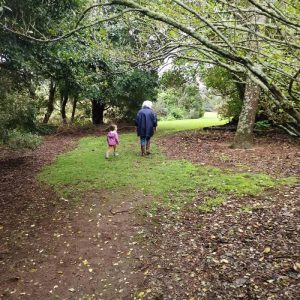
Sunlight dappled through the leaves, casting dancing shadows on the forest floor as eight-year-old Ben and his grandfather walked hand-in-hand along a winding trail. The air was alive with the chirping of crickets and the rustling of leaves under their feet. Grandpa pointed out a vibrant red cardinal perched on a branch, its song echoing through the trees.
Ben inhaled deeply, the scent of damp earth and pine needles filling his lungs. They paused by a babbling brook, the sound of rushing water a calming counterpoint to the birdsong. Grandpa showed Ben different types of leaves, explaining their textures and shapes. Ben, fascinated, collected smooth, grey stones from the brook bed, his small hands carefully selecting each one.
The walk wasn’t just about reaching a destination; it was about sharing the beauty of nature, creating a quiet connection, and fostering a love for the outdoors. The sensory richness of the experience, from the sights and sounds to the smells and textures, created a lasting bond between them.
Creating a Birdhouse Together
Ten-year-old Maya and her grandfather spent an afternoon crafting a birdhouse. Grandpa, a skilled woodworker, carefully guided Maya through each step, explaining the tools and techniques involved. The smell of freshly cut wood filled the air as they measured, sawed, and sanded the pieces. Maya carefully painted the birdhouse a cheerful blue, her small tongue poking out in concentration.
Grandpa showed her how to attach the roof and add a small perch. Although Maya occasionally struggled with the more intricate parts, Grandpa patiently helped her, offering encouragement and praise. The finished product, a charming little blue birdhouse, wasn’t perfect, but it was a testament to their collaborative effort and a symbol of their shared accomplishment. The pride on Maya’s face as she held up their creation was a heartwarming reward for their time spent together.
The birdhouse, now hanging in Maya’s garden, served as a constant reminder of their special bond.
Strengthening family bonds and creating lasting memories are paramount in today’s fast-paced world. The shared activities explored here provide a roadmap for fostering intergenerational connections, enriching the lives of both grandparents and grandchildren. By carefully considering individual needs, preferences, and abilities, families can curate meaningful experiences that cultivate emotional growth, cognitive stimulation, and lasting familial bonds. Remember, the most important ingredient is quality time spent together, creating memories that will be cherished for years to come.
User Queries
What if my grandparents have mobility issues?
Choose activities that accommodate limited mobility, such as indoor games, gentle crafts, or storytelling sessions. Adapt outdoor activities by using assistive devices or choosing accessible locations.
How can I involve grandchildren of different ages?
Select activities with adaptable elements. For example, a baking activity can involve toddlers helping with simple tasks while older children handle more complex steps. Choose activities with multiple levels of engagement.
What if my grandchildren have special needs?
Prioritize inclusive activities that cater to diverse abilities. Consider sensory-friendly options, adaptive equipment, or activities that focus on individual strengths and interests. Communication and collaboration with therapists or specialists is crucial.
How do I handle disagreements or conflicts during activities?
Establish clear expectations and guidelines beforehand. Encourage communication and compromise. Redirect negative behavior towards positive activities. Remember that flexibility and patience are key.