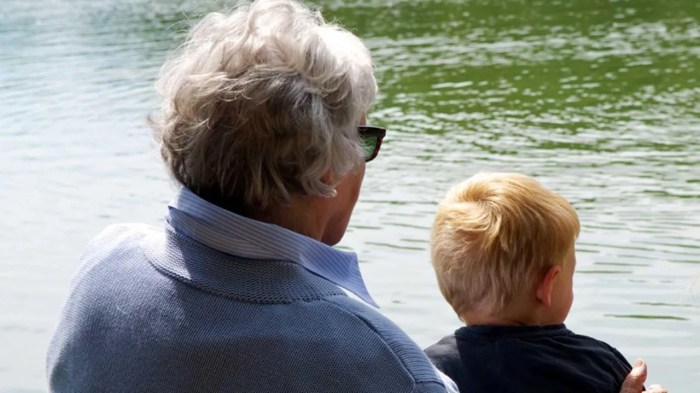
Grandparenting tips for baby boomers explores the unique challenges and rewards of this generation’s grandparenting journey. This guide delves into the evolving role of grandparents in the 21st century, examining how Baby Boomers navigate the complexities of balancing personal life with grandparenting responsibilities, fostering strong relationships with grandchildren, and adapting to technological advancements. We’ll explore effective communication strategies, practical time management techniques, and ways to provide meaningful support to both children and grandchildren, all while maintaining personal well-being.
From mastering the latest communication apps to understanding the nuances of different grandparenting styles, this comprehensive resource offers valuable insights and actionable advice for Baby Boomers embracing this rewarding yet demanding chapter of life. We’ll also address crucial aspects like financial planning for retirement and long-term care, and the emotional aspects of grandparenting, ensuring a holistic approach to this significant life stage.
Understanding the Modern Grandparent Role for Baby Boomers
The role of grandparent has undergone a significant transformation in the 21st century, particularly for Baby Boomers (born between 1946 and 1964). This generation is experiencing grandparenthood in a vastly different context than their parents, impacting their expectations, responsibilities, and overall experience. Factors such as increased life expectancy, changing family structures, and evolving societal norms have all contributed to this shift.Baby Boomers are often juggling multiple roles simultaneously, including caring for aging parents, managing their own careers (or retirement), and actively participating in their grandchildren’s lives.
This contrasts sharply with previous generations where grandparenthood was often more geographically distant and less involved, primarily focused on occasional visits and providing occasional childcare. While earlier generations might have focused on offering wisdom and passing down traditions, Baby Boomers frequently find themselves deeply entwined in the daily lives of their grandchildren.
Evolving Expectations and Responsibilities
The expectations placed on Baby Boomer grandparents are considerably higher than in previous generations. They are often expected to provide significant childcare support, financial assistance, and emotional guidance. This heightened involvement is partly due to the increasing costs of childcare, longer working hours for parents, and the prevalence of dual-income households. Many Baby Boomers are actively involved in their grandchildren’s education, extracurricular activities, and even their health and well-being, often taking on roles previously held primarily by parents.
This active participation isn’t always planned or desired, but rather a response to the needs of their children and grandchildren. For instance, a Boomer grandparent might find themselves driving grandchildren to numerous activities, providing regular financial contributions for educational expenses, or even assisting with homework and household chores.
Comparing Grandparenting Experiences Across Generations
The grandparenting experience of Baby Boomers differs significantly from that of their parents, the “Greatest Generation.” The Greatest Generation often had larger families and lived closer geographically to their children and grandchildren. Their role was often more traditional, focused on providing advice, sharing family history, and offering occasional childcare. In contrast, Baby Boomers are often more geographically dispersed from their grandchildren, relying on technology like video calls and social media to maintain close connections.
They may also be more actively involved in their grandchildren’s upbringing, even taking on significant childcare responsibilities. This increased involvement reflects a shift in societal expectations and a greater emphasis on the importance of familial bonds. The financial support provided also differs significantly, with Baby Boomers often contributing more substantially to their grandchildren’s education and other expenses than previous generations could manage.
Unique Challenges and Rewards
Baby Boomers face unique challenges as grandparents in today’s society. These include the financial strain of supporting multiple generations (their children and their own aging parents), maintaining a healthy work-life balance, and navigating complex family dynamics. The increasing prevalence of blended families and diverse family structures can also add to the complexity of their grandparenting roles. However, the rewards are equally significant.
The deep and meaningful relationships forged with grandchildren, the opportunity to share their life experiences and wisdom, and the joy of witnessing their grandchildren’s growth and development are invaluable. Many Baby Boomers find immense satisfaction in their roles as active and involved grandparents, even amidst the challenges. For example, the ability to pass on family traditions, instill values, and create lasting memories is a source of profound fulfillment for many.
The close bonds built through shared activities and consistent involvement provide immense emotional satisfaction, counterbalancing the inherent challenges.
Balancing Personal Life and Grandparenting Responsibilities
The transition to grandparenthood is a significant life event, particularly for Baby Boomers who may still be actively engaged in their careers or pursuing personal interests. Successfully navigating this new chapter requires careful planning and a conscious effort to balance the joys of grandparenting with the need for personal fulfillment and self-care. Failing to do so can lead to burnout and resentment, impacting both the grandparent-grandchild relationship and the overall well-being of the grandparent.Effective time management is crucial for Baby Boomers juggling multiple responsibilities.
It’s about prioritizing tasks, setting realistic expectations, and understanding that saying “no” sometimes is essential for maintaining a healthy balance. This isn’t about sacrificing time with grandchildren; rather, it’s about ensuring that time spent is both meaningful and sustainable for the grandparent.
Strategies for Effective Time Management
Establishing a realistic schedule that incorporates both personal time and grandparenting responsibilities is key. This could involve creating a weekly or monthly calendar that Artikels specific times dedicated to personal pursuits, such as exercise, hobbies, or social engagements, alongside scheduled time for childcare or visits with grandchildren. For example, a grandparent might schedule a weekly yoga class on Tuesday mornings, a monthly book club meeting on the second Thursday, and dedicated time for babysitting on weekends.
Flexibility is important, but having a framework prevents overcommitment. Another helpful technique is to batch similar tasks together. For example, instead of making multiple short trips to the grocery store, plan one larger shopping trip to save time.
Prioritizing Tasks and Setting Boundaries
Prioritization involves identifying the most important tasks and focusing energy on those first. For grandparents, this might mean prioritizing quality time with grandchildren over less crucial activities. Setting clear boundaries is equally important. This could involve establishing specific visiting hours, outlining expectations for childcare responsibilities, or politely declining requests that would overextend the grandparent’s time or energy. For instance, a grandparent might agree to babysit on weekends but establish a specific pick-up and drop-off time to maintain personal time.
The Importance of Self-Care for Grandparents
Self-care is not a luxury; it’s a necessity. It’s about engaging in activities that replenish energy and promote well-being. This could include anything from regular exercise and healthy eating to pursuing hobbies, spending time in nature, or simply relaxing with a good book. Neglecting self-care can lead to exhaustion, stress, and ultimately, negatively impact the grandparent-grandchild relationship.
For instance, a grandparent who regularly engages in physical activity will likely have more energy and patience to interact with grandchildren. Similarly, a grandparent who makes time for hobbies will have a more balanced and fulfilled life, making them a more enjoyable presence for their grandchildren.
Building Strong Grandparent-Grandchild Relationships
For Baby Boomers entering the grandparent role, cultivating a strong bond with their grandchildren is a deeply rewarding experience. This involves more than just occasional visits; it’s about actively nurturing a relationship built on mutual affection, understanding, and shared experiences. Building this connection requires thoughtful communication, the creation of lasting memories, and a proactive approach to overcoming potential challenges.Effective communication is the cornerstone of any strong relationship, and this is especially true for the grandparent-grandchild dynamic.
Open and honest communication fosters trust and understanding, allowing for the development of a close and loving bond. It’s about actively listening to the grandchild’s perspective, validating their feelings, and sharing your own experiences in a way that’s age-appropriate and engaging.
Effective Communication Strategies
Building strong communication involves adapting your approach to the grandchild’s age and developmental stage. With younger children, storytelling, singing songs, and engaging in playful interactions are excellent ways to connect. For older grandchildren, engaging in conversations about their interests, offering advice (when appropriate), and actively listening to their concerns demonstrates genuine interest and care. Regular phone calls, video chats, or even handwritten letters can maintain connections across distances.
Remember, consistent and meaningful communication strengthens the bond over time.
Creating Meaningful Shared Experiences and Traditions
Shared experiences create lasting memories and strengthen family bonds. These could range from simple activities like baking cookies together or reading bedtime stories to more elaborate adventures such as camping trips or attending special events. Establishing family traditions, such as annual holiday gatherings or regular visits, provides a sense of continuity and belonging for the grandchild. These shared activities create a foundation for strong memories and a sense of connection that will last a lifetime.
For instance, a yearly tradition of making homemade ornaments for the Christmas tree fosters creativity and creates a tangible reminder of the shared time spent together.
Addressing Common Challenges in Grandparent-Grandchild Relationships
Challenges can arise in grandparent-grandchild relationships, particularly concerning differing parenting styles or geographical distance. Differing parenting styles between grandparents and parents can create tension. Open and respectful communication between grandparents and parents is crucial to navigate these differences effectively. Grandparents should strive to support the parents’ decisions while maintaining a loving relationship with the grandchild. Geographical distance can be overcome through regular communication via phone calls, video chats, and planned visits.
Utilizing technology to stay connected can bridge the physical gap. For instance, a weekly video call can allow for regular interaction, maintaining a sense of closeness despite the distance.
Navigating Technological Advancements with Grandchildren

The digital world can feel daunting for Baby Boomers, but staying connected with grandchildren in today’s tech-driven society is crucial. Bridging this technological gap isn’t about becoming a tech expert, but rather about mastering the essential tools that facilitate communication and sharing experiences. This section provides a practical guide to help you navigate the digital landscape and strengthen your bond with your grandchildren.
Understanding Common Communication Apps
Many communication apps simplify staying in touch. Video calls, instant messaging, and photo sharing are now easier than ever. Familiarizing yourself with a few key apps will dramatically improve your ability to connect with your grandchildren. For example, FaceTime (Apple devices) and WhatsApp (cross-platform) are popular choices for video calls, allowing you to see and speak with your grandchildren face-to-face.
Text-based messaging apps like iMessage (Apple devices) or Messenger (Facebook) are excellent for quick updates and casual conversations. These apps often integrate with photo and video sharing features, making it easy to share precious moments.
A Step-by-Step Guide to Using WhatsApp
WhatsApp is a versatile and widely used messaging app. Here’s a simplified step-by-step guide: 1. Download and install WhatsApp from your smartphone’s app store. 2. Verify your phone number.
3. Add your grandchildren’s contact information. 4. Start a chat by selecting their contact. 5.
Send text messages, photos, or videos. 6. Initiate a video call by tapping the video call icon. Remember, many tutorials are available online – search “WhatsApp tutorial for beginners” on YouTube or Google for visual assistance. If you’re struggling, ask a tech-savvy friend or family member for help; they can often guide you through the process more efficiently.
Utilizing Social Media Platforms for Connection
Social media platforms like Facebook can facilitate connection and shared experiences. Facebook allows you to share photos and updates, view your grandchildren’s posts, and even participate in family group chats. The key is to start slowly. Focus on one platform at a time, mastering the basics before moving on to more advanced features. Remember to prioritize privacy settings to control what information you share publicly.
For instance, you can create a private family group to share photos and updates only with close relatives. Always be mindful of online safety and avoid sharing sensitive personal information.
Resources and Tools for Bridging the Technological Gap
Several resources are available to assist in navigating the digital world. Many libraries offer free computer classes for seniors, covering topics such as internet basics, email, and social media. Local community centers often host similar workshops. Online tutorials on YouTube and other platforms provide step-by-step guidance on using various apps and technologies. Consider asking a tech-savvy grandchild or friend to act as your personal tech tutor.
They can provide personalized assistance and answer your specific questions. Remember, patience and persistence are key. Don’t be afraid to ask for help; most people are happy to share their knowledge.
Providing Support to Parents and Grandchildren
Grandparenthood offers a unique opportunity to contribute significantly to the lives of both your children and grandchildren. Providing support, in various forms, strengthens family bonds and creates lasting positive memories. This support can manifest in practical ways, easing the burdens of daily life, or offer emotional sustenance during challenging times. Finding the right balance is key to maintaining healthy relationships and avoiding burnout.The ways in which grandparents can support their families are numerous and varied, depending on individual circumstances and needs.
Offering assistance can range from tangible help, like childcare or financial contributions, to providing invaluable emotional support and guidance. Understanding the specific needs of both your children and grandchildren is crucial to providing truly effective support.
Practical Support for Parents and Grandchildren
Grandparents can significantly lighten the load for parents by providing practical assistance. This might involve regular childcare, allowing parents time for work, personal appointments, or simply a much-needed break. Financial contributions can also be incredibly helpful, assisting with expenses such as education, extracurricular activities, or unexpected costs. Other practical forms of support include help with household chores, running errands, or providing transportation for children to appointments or activities.
For example, a grandparent might regularly pick up grandchildren from school, freeing up parents’ time for work or other commitments. Another example could be a grandparent helping with meal preparation, reducing the daily burden on busy parents.
Emotional Support for Parents and Grandchildren
Emotional support is equally, if not more, important than practical assistance. Grandparents can offer a listening ear, providing empathy and understanding during challenging times. This might involve offering advice based on their life experience, providing encouragement, or simply being a consistent source of love and support. For example, a grandparent might offer emotional support to a parent struggling with work-life balance or provide a safe and comforting presence for a grandchild experiencing anxiety or emotional distress.
This consistent presence can help children build resilience and a sense of security. Furthermore, grandparents can serve as role models, demonstrating healthy coping mechanisms and positive relationships.
Setting Healthy Boundaries While Providing Support
While providing support is beneficial, establishing healthy boundaries is essential to prevent burnout and maintain your own well-being. It’s crucial to avoid overextending yourself and to communicate your limitations clearly to your children and grandchildren. This might involve setting specific days or times for childcare, or defining the scope of financial assistance you can provide. Open and honest communication is key to preventing resentment and maintaining healthy relationships within the family.
For instance, a grandparent might agree to help with childcare twice a week but decline offers for additional days. Another example could be setting a clear budget for financial assistance to avoid overspending and ensure the grandparent’s financial security.
Grandparenting Styles and Approaches
Grandparenting styles vary widely, reflecting individual personalities, family dynamics, and geographical proximity. Understanding these different approaches is crucial for both grandparents and parents, as the chosen style significantly impacts a grandchild’s development and the overall family relationship. This section will explore three common grandparenting styles: the involved grandparent, the distant grandparent, and the surrogate parent, examining their potential effects and offering guidance on adapting approaches to individual circumstances.The diverse ways grandparents engage with their grandchildren can be categorized into several distinct styles, each with its own set of advantages and disadvantages.
These styles are not mutually exclusive; many grandparents blend elements of different approaches. However, understanding these core styles provides a framework for reflecting on one’s own grandparenting approach and its impact on the grandchild.
Involved Grandparents
Involved grandparents actively participate in their grandchildren’s lives. This often includes regular visits, childcare assistance, significant financial contributions, and a strong emotional presence. These grandparents are deeply involved in decision-making regarding their grandchildren’s upbringing, offering guidance and support to parents. The positive impacts can include enhanced emotional security for the grandchild, a stronger family bond, and the development of a rich intergenerational relationship.
However, potential drawbacks include the possibility of overstepping parental boundaries or creating tension if the grandparent’s involvement is perceived as intrusive. Successfully navigating this style requires open communication and clear boundaries established between grandparents and parents. For example, an involved grandparent might help with homework regularly, but always checks with the parents first about the best approach to use.
Distant Grandparents
Distant grandparents maintain a relationship with their grandchildren but are less actively involved in their daily lives. This might be due to geographical distance, personal preferences, or other factors. Interaction might be limited to occasional visits, phone calls, or the sending of gifts. While this approach might offer the grandchild a sense of extended family connection and a less intense relationship, it can also lead to feelings of distance or disconnect, particularly if the grandchild craves more interaction.
The impact on the grandchild’s development may be less pronounced than with involved grandparents, but the emotional bond can still be significant, albeit less immediate. For example, a distant grandparent might send birthday cards and video messages regularly, keeping in touch without interfering in the day-to-day care.
Surrogate Parents
Surrogate grandparents take on a more significant parenting role, often providing substantial childcare or acting as primary caregivers. This might occur due to parental circumstances such as work demands, illness, or divorce. While this style can provide crucial support to families and a strong bond between the grandparent and grandchild, it can also be emotionally demanding for the grandparent and potentially blur the lines of parental authority.
The grandchild may benefit from the consistent care and attention, but it’s crucial to ensure the grandparent’s own well-being is prioritized, and that the parental role is not solely transferred to the grandparent. For instance, a surrogate grandparent might take on daily childcare responsibilities but maintains open communication with the parents about significant decisions.
Health and Wellness for Grandparents
Maintaining good health is crucial for Baby Boomer grandparents, allowing them to enjoy active and fulfilling lives with their grandchildren. This section offers practical advice and guidance on prioritizing wellness during this life stage. It’s important to remember that individual needs vary, and consulting with a healthcare professional is always recommended for personalized advice.
Regular exercise, a balanced diet, and effective stress management are cornerstones of a healthy lifestyle for Baby Boomer grandparents. These factors significantly influence physical and mental well-being, impacting energy levels, mood, and the ability to engage fully in family life and other activities.
Health and Wellness Tips for Baby Boomer Grandparents
The following tips address key aspects of health and wellness, offering practical strategies for maintaining vitality and managing age-related changes:
- Prioritize Regular Physical Activity: Aim for at least 150 minutes of moderate-intensity aerobic activity or 75 minutes of vigorous-intensity aerobic activity per week, spread throughout the week. This could include brisk walking, swimming, cycling, or dancing. Incorporating strength training exercises two or more days a week is also beneficial for maintaining muscle mass and bone density.
- Maintain a Balanced Diet: Focus on consuming a variety of fruits, vegetables, whole grains, lean proteins, and healthy fats. Limit processed foods, sugary drinks, and excessive saturated and unhealthy fats. Staying hydrated by drinking plenty of water throughout the day is also essential.
- Manage Stress Effectively: Chronic stress can negatively impact both physical and mental health. Explore stress-reduction techniques such as yoga, meditation, deep breathing exercises, spending time in nature, or engaging in hobbies. Prioritizing relaxation and self-care is crucial.
- Prioritize Sleep: Aim for 7-9 hours of quality sleep each night. Establish a regular sleep schedule and create a relaxing bedtime routine to improve sleep quality. Addressing any sleep disorders with a healthcare professional is important.
- Regular Health Checkups: Schedule regular visits with your doctor for checkups and screenings. Early detection of potential health issues is vital for effective management and treatment.
- Social Connection: Maintain strong social connections with family, friends, and community groups. Social interaction is vital for mental and emotional well-being.
Recommended Health Screenings and Preventative Measures
Regular health screenings are vital for early detection and prevention of various health conditions. The following table Artikels recommended screenings and preventative measures for Baby Boomer grandparents:
| Screening | Frequency | Purpose | Preventative Measures |
|---|---|---|---|
| Blood Pressure | Annually, or more frequently if needed | Detect hypertension | Healthy diet, regular exercise, stress management |
| Cholesterol | Every 3-5 years, or more frequently if needed | Detect high cholesterol | Healthy diet, regular exercise, weight management |
| Blood Sugar (Diabetes) | Every 3 years, or more frequently if needed, especially if risk factors are present | Detect diabetes | Healthy diet, regular exercise, weight management |
| Colorectal Cancer | Following guidelines provided by healthcare professional, starting at age 50 or earlier if family history exists | Detect colorectal cancer | Regular screening, healthy diet, regular exercise |
Financial Planning for Grandparents
Becoming a grandparent is a joyous occasion, but it also brings new financial considerations for Baby Boomers, particularly regarding supporting grandchildren and ensuring a secure retirement. Effective financial planning is crucial to navigate these responsibilities without compromising your own financial well-being. This section explores strategies for managing finances while providing support to your grandchildren and securing your future.Financial planning for Baby Boomers entering the grandparenting phase requires a holistic approach, encompassing both short-term and long-term goals.
This involves careful budgeting, investment management, and planning for potential unexpected expenses. Balancing the desire to assist grandchildren with the need to maintain a comfortable retirement necessitates a well-defined financial strategy.
Retirement Planning and Long-Term Care
Securing a comfortable retirement is paramount. Baby Boomers should review their retirement savings, including 401(k)s, IRAs, and pensions, to ensure they are on track to meet their financial goals. This includes considering factors such as inflation and healthcare costs, which can significantly impact retirement expenses. Planning for long-term care, such as assisted living or nursing home expenses, is equally important.
These costs can be substantial, and advance planning through long-term care insurance or other financial strategies is essential to mitigate potential financial burdens. For example, a hypothetical couple retiring in 2024 might budget $50,000 annually for living expenses and allocate an additional $20,000 annually for potential long-term care costs, adjusting this based on their specific health conditions and risk assessments.
This would necessitate a robust retirement savings plan and careful consideration of their assets.
Strategies for Managing Finances While Supporting Grandchildren
Supporting grandchildren financially requires careful budgeting and prioritization. This could involve contributing to education funds, providing occasional financial assistance, or helping with childcare expenses. Before committing to any financial support, it’s crucial to assess your own financial situation and ensure that providing assistance doesn’t jeopardize your own retirement security or financial stability. Consider creating a separate budget for grandparenting expenses to better track and manage these contributions.
For instance, instead of making large, infrequent contributions, setting up a monthly automated transfer of a smaller amount to a dedicated education savings account for each grandchild provides a consistent and manageable approach.
Resources and Tools for Financial Advice and Support
Several resources can assist Baby Boomers in navigating financial planning. These include:
- Financial advisors: A financial advisor can provide personalized guidance on investment strategies, retirement planning, and estate planning.
- Online financial planning tools: Numerous online tools and calculators can help estimate retirement needs, project investment growth, and create personalized financial plans.
- Government resources: The Social Security Administration website provides information on retirement benefits, while the AARP offers resources and advice for older adults.
- Community resources: Local banks, credit unions, and non-profit organizations often offer free or low-cost financial counseling services.
Utilizing these resources can empower Baby Boomers to make informed decisions, ensuring both their financial security and the ability to support their grandchildren.
The Emotional Aspects of Grandparenting: Grandparenting Tips For Baby Boomers
Grandparenthood is a deeply emotional journey, filled with both immense joy and unexpected challenges. The transition to this new role can evoke a wide spectrum of feelings, from overwhelming love and pride to moments of frustration and even grief, as the dynamics of family life shift and evolve. Understanding these emotional aspects is crucial for navigating this significant life stage successfully.The emotional rewards of grandparenthood are profound and multifaceted.
The unconditional love shared between grandparents and grandchildren is a powerful force, bringing immense satisfaction and a sense of purpose. Witnessing a grandchild’s milestones – their first steps, their first words, their graduations – creates unforgettable memories and strengthens familial bonds. The unique bond with grandchildren often allows for a different type of relationship than the one shared with one’s own children, offering a less pressured and more playful dynamic.
This can be incredibly fulfilling for grandparents who may have experienced challenges or regrets in their own parenting journey.
Emotional Rewards and Challenges of Grandparenthood, Grandparenting tips for baby boomers
The transition to grandparenthood can bring a surge of positive emotions. However, it is important to acknowledge that it can also present challenges. The shifting family dynamics can sometimes lead to feelings of displacement or a perceived lack of control. Difficulties may arise from differing parenting styles between grandparents and parents, creating tension and conflict. Furthermore, witnessing the struggles of one’s children can be emotionally taxing, and grandparents may find themselves feeling overwhelmed by the responsibilities they undertake in supporting their families.
The death of a child, or the serious illness of a grandchild, can also create significant emotional turmoil. Open communication and emotional support within the family are vital to mitigating these potential challenges.
Self-Reflection and Emotional Regulation for Grandparents
Self-reflection is key to managing the emotional rollercoaster of grandparenthood. By understanding one’s own emotional triggers and responses, grandparents can better anticipate and manage potential conflicts or stressful situations. Practicing mindfulness techniques, such as meditation or deep breathing exercises, can help regulate emotions and reduce feelings of overwhelm. Journaling can provide a valuable outlet for processing emotions and gaining perspective on challenging experiences.
Recognizing personal limitations and setting healthy boundaries is crucial for preventing burnout and maintaining emotional well-being.
Strategies for Maintaining Emotional Well-being
Maintaining emotional well-being during grandparenthood requires proactive strategies. Prioritizing self-care is paramount. This includes engaging in activities that bring joy and relaxation, such as hobbies, spending time in nature, or connecting with friends. Maintaining strong social connections with other grandparents or individuals who understand the unique challenges of this life stage provides invaluable emotional support. Seeking professional help from a therapist or counselor is a sign of strength, not weakness, and can provide valuable tools for managing stress and improving emotional resilience.
Open and honest communication with one’s children and grandchildren is essential for fostering healthy relationships and preventing misunderstandings. Grandparents should actively seek opportunities to express their feelings and needs while also actively listening to the perspectives of their children and grandchildren. This will lead to stronger relationships and more effective conflict resolution.
Grandparenting and Legacy
Grandparents play a vital role in shaping the lives of their grandchildren, extending beyond simple childcare. They are custodians of family history, values, and traditions, acting as a bridge between generations. The legacy they leave behind profoundly impacts the future, influencing not only their grandchildren but also subsequent generations. This legacy isn’t solely about material possessions; it’s primarily about the intangible – the memories, values, and traditions passed down.Grandparents contribute significantly to the creation of lasting memories and a strong sense of family identity.
The time spent together, the stories shared, and the experiences lived create a tapestry of cherished moments that enrich the lives of both grandparents and grandchildren. These memories become foundational elements in a child’s sense of self and belonging within the family. This is particularly crucial in today’s fast-paced world, where the constant pursuit of success can sometimes overshadow the importance of family connection.
Passing Down Family Traditions and Values
The transmission of family traditions and values is a cornerstone of a grandparent’s legacy. This involves sharing stories of family history, explaining the significance of cultural practices, and demonstrating the values that have guided previous generations. For example, a grandparent might teach their grandchild how to bake their grandmother’s famous apple pie, sharing the recipe and the story behind it.
This simple act connects the grandchild to their heritage and instills a sense of continuity. Similarly, a grandparent might share stories of their own childhood, illustrating the importance of hard work, perseverance, or compassion. These narratives shape a child’s understanding of their family’s history and instill valuable life lessons.
Creating Lasting Memories with Grandchildren
Creating lasting memories with grandchildren requires intentional effort and quality time. This is not about expensive gifts or elaborate trips, but rather about shared experiences that foster connection and build bonds. Grandparents can create lasting memories through simple activities such as reading bedtime stories, playing games, engaging in creative projects, attending family events, or simply spending quiet time together.
These shared experiences forge deep connections, creating memories that will last a lifetime. A grandparent taking their grandchild fishing, teaching them to knit, or sharing their passion for gardening are all examples of creating memories that extend beyond the moment. These shared experiences form the bedrock of a strong grandparent-grandchild relationship, providing a rich emotional legacy.
Leaving a Positive Legacy for Future Generations
Grandparents can leave a positive legacy by actively participating in their grandchildren’s lives and by consciously instilling positive values. This might involve mentoring their grandchildren, providing guidance during challenging times, or simply being a consistent source of love and support. A grandparent who actively engages in their grandchild’s education, encourages their passions, and provides unwavering support lays a strong foundation for their future success.
Furthermore, grandparents can contribute to a positive legacy by documenting family history, creating family photo albums, or writing letters to their grandchildren, sharing their wisdom and life experiences. These actions preserve family history and provide a tangible connection to the past for future generations. The legacy extends beyond the immediate family; acts of kindness and generosity within the community also contribute to a positive impact on society as a whole.
For instance, volunteering together or supporting a local charity can teach grandchildren the importance of giving back.
Ultimately, successful grandparenting for Baby Boomers hinges on a delicate balance: embracing the joys of connection while prioritizing self-care and setting healthy boundaries. By understanding the evolving dynamics of family life, leveraging technological advancements, and actively nurturing relationships, Baby Boomers can create lasting legacies and profoundly enrich the lives of their grandchildren. This journey is about creating cherished memories, sharing wisdom, and leaving a positive imprint on future generations, ensuring a fulfilling experience for both grandparents and grandchildren.
Clarifying Questions
What are some common health concerns for Baby Boomer grandparents?
Common health concerns include arthritis, heart disease, diabetes, and high blood pressure. Regular checkups and a healthy lifestyle are crucial.
How can grandparents handle disagreements with their adult children about parenting styles?
Open and respectful communication is key. Focus on supporting your children and their choices while gently offering advice when appropriate. Respect boundaries and avoid interfering unless asked.
How can grandparents stay involved with grandchildren who live far away?
Utilize technology! Video calls, online games, and regular emails can maintain close connections. Plan occasional visits and create shared online activities.
How can grandparents contribute financially without jeopardizing their own retirement?
Careful financial planning is essential. Consult a financial advisor to create a budget that balances current needs with long-term financial security. Explore options like gifting assets strategically or establishing a trust.