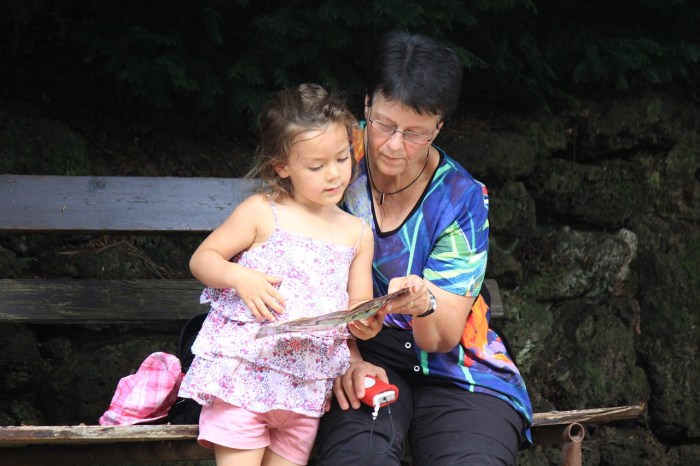
How to spoil your grandchildren? It’s a question many grandparents grapple with, navigating the fine line between showering their grandchildren with love and inadvertently creating behavioral problems or fostering unhealthy dependence. This guide explores the complexities of grandparenting, examining the various ways grandchildren might be spoiled – from lavish gifts to excessive leniency – and the potential long-term effects on their development.
We’ll delve into the positive aspects of grandparental indulgence while offering strategies for responsible grandparenting that fosters strong bonds without undermining healthy boundaries.
We’ll discuss different grandparenting styles and how they influence spoiling tendencies, considering cultural factors and personal experiences. The importance of open communication between grandparents and parents will be highlighted, along with practical tips for setting limits and maintaining healthy family relationships. Ultimately, this guide aims to empower grandparents to enjoy their role fully while ensuring their love and affection contribute positively to their grandchildren’s lives.
The Role of Grandparents in a Child’s Life

Grandparents play a vital and often irreplaceable role in a child’s life, extending far beyond the provision of gifts and occasional babysitting. Their contributions to a child’s development are multifaceted and profoundly impactful, shaping their emotional, social, and cognitive growth in unique ways. This influence stems from a distinct relationship built on shared history, unconditional love, and often, a more relaxed and playful dynamic than the parent-child relationship.Grandparents offer a unique perspective and a wealth of life experience that enriches a child’s understanding of the world.
They can serve as a bridge between generations, fostering a sense of belonging and continuity within the family. Creating lasting memories and building strong intergenerational bonds is crucial for the well-being of both the child and the grandparent, enriching their lives in ways that are difficult to quantify but undeniably significant. These bonds provide a sense of stability and security, especially in times of change or uncertainty.
The Unique Contributions of Grandparents
Grandparents often provide a different kind of support than parents. Their involvement frequently centers around nurturing a child’s emotional and social development, rather than focusing solely on discipline and structure. This allows for a more relaxed and playful environment, where children feel free to explore their personalities and express themselves without the pressure of everyday parental responsibilities. This can foster a sense of security and unconditional love that is essential for a child’s healthy development.
Creating Lasting Memories and Building Strong Bonds
The activities shared between grandparents and grandchildren are what forge lasting memories and strong bonds. These shared experiences become cherished milestones in a child’s life, shaping their memories and influencing their values. The consistent presence and unwavering support of a grandparent contribute to a child’s sense of self-worth and belonging, fostering a deep and enduring connection. These relationships provide a secure base from which children can explore their world with confidence.
Activities Fostering Healthy Development and Strong Relationships
Grandparents can engage in a variety of activities with their grandchildren that strengthen their bond without excessive spoiling. These activities focus on shared experiences and quality time, rather than material gifts.
- Storytelling and Reading: Sharing stories, reading books, and discussing the narratives fosters language development, imagination, and a love of reading. This activity creates a warm and intimate connection, strengthening the bond between grandparent and grandchild.
- Outdoor Activities: Spending time outdoors, going for walks in nature, visiting parks, or engaging in gardening cultivates a love for the natural world, promotes physical activity, and provides opportunities for conversation and shared experiences. A simple walk in the park can become a treasured memory.
- Creative Activities: Engaging in arts and crafts, baking together, or playing music promotes creativity, fine motor skills, and self-expression. The process of creating something together fosters a sense of accomplishment and shared pride.
- Games and Play: Playing board games, card games, or engaging in imaginative play fosters social skills, problem-solving abilities, and strengthens the grandparent-grandchild bond through shared laughter and friendly competition. The focus is on the fun and interaction, not on winning or losing.
- Family Traditions: Participating in family traditions, such as holiday celebrations or special family dinners, fosters a sense of belonging and continuity across generations. These traditions create lasting memories and a shared sense of identity.
Grandparenting and Intergenerational Relationships
The relationship between grandparents, parents, and grandchildren forms a complex web of interactions, significantly impacting a child’s upbringing and development. Understanding the dynamics within this intergenerational family structure is crucial, particularly when considering the potential for spoiling behaviors. These dynamics are influenced by a variety of factors, including family history, cultural norms, geographical proximity, and individual personalities.The interplay between these three generations often creates a delicate balance.
Grandparents may offer a different parenting style than parents, potentially leading to disagreements. This difference in approach can stem from varying parenting philosophies, differing life experiences, and evolving societal expectations regarding child-rearing. The impact of these differences on the grandchild can be profound, shaping their behavior, attitudes, and sense of security.
Dynamics and Spoiling Behaviors
Grandparents’ roles frequently involve providing emotional support, sharing wisdom, and offering a different perspective on life than parents. However, this can sometimes manifest as spoiling. The desire to shower grandchildren with affection and gifts, often stemming from guilt or a desire to compensate for perceived shortcomings in their own parenting, can lead to an imbalance. Parents may feel their authority undermined when grandparents consistently contradict their rules or provide excessive treats and privileges.
For instance, if parents enforce a strict screen-time limit, a grandparent consistently ignoring this rule could create conflict and confusion for the child. The resulting power struggle between generations can negatively impact the child’s development and create tension within the family. Healthy boundaries and clear communication are essential in navigating these challenges.
Open Communication and Mutual Respect
Open and honest communication is the cornerstone of healthy intergenerational relationships. Grandparents and parents should strive to understand each other’s perspectives and parenting styles, fostering mutual respect for each other’s roles. Regular family meetings, where expectations and concerns are openly discussed, can prevent misunderstandings and conflicts. Active listening and empathy are key to resolving disagreements and finding common ground.
For example, parents could clearly communicate their expectations regarding discipline and screen time to grandparents, while grandparents could share their reasons for wanting to spoil their grandchildren. This open dialogue can help establish clear boundaries and expectations that are mutually agreeable.
Potential Conflicts Regarding Child-Rearing
Disagreements between grandparents and parents regarding child-rearing practices are common. These conflicts often arise from differing opinions on discipline, nutrition, bedtime routines, and educational approaches. For example, a grandparent might disagree with a parent’s decision to limit sugary treats, leading to covert provision of sweets behind the parents’ backs. Such actions can undermine parental authority and create confusion for the child.
Similarly, conflicts may arise regarding screen time, educational choices, and even the child’s exposure to certain activities or people. The key to mitigating these conflicts is open communication, compromise, and a shared understanding of the child’s best interests. Mediation by a neutral party may be helpful in resolving significant disagreements.
The Emotional Impact of Grandparenting: How To Spoil Your Grandchildren
Grandparenting is a deeply rewarding experience, offering a unique blend of joy, fulfillment, and connection. However, it’s also a role that presents significant emotional challenges, requiring adaptability, patience, and a strong support system. Understanding the emotional landscape of grandparenting is crucial for navigating its complexities and maximizing the positive aspects of this important life stage.Grandparenting offers immense emotional rewards.
The unconditional love and affection shared between grandparents and grandchildren create profound bonds. Witnessing a grandchild’s milestones, from their first steps to their graduation, brings immense pride and joy. The opportunity to share wisdom, traditions, and life experiences fosters a sense of legacy and purpose. This intergenerational connection can enrich the lives of both grandparents and grandchildren, providing a sense of belonging and continuity across generations.
Emotional Rewards and Challenges of Grandparenting
The emotional rewards of grandparenting are substantial, encompassing feelings of love, pride, and fulfillment derived from nurturing and guiding a new generation. Grandparents often experience a renewed sense of purpose and a deeper understanding of their own lives through their relationship with their grandchildren. Conversely, challenges can arise from the shifting dynamics of family relationships, the emotional toll of caring for grandchildren, particularly if it involves significant responsibilities, and the potential for conflict between grandparents and parents regarding childcare approaches.
The emotional impact can be amplified if the grandparent-grandchild relationship is strained or if there are underlying family tensions. The death of a grandchild, though rare, is a devastating experience that can significantly impact a grandparent’s emotional well-being.
Strategies for Managing Stress and Maintaining a Positive Outlook
Maintaining a positive outlook while grandparenting requires proactive strategies for stress management. Prioritizing self-care is essential. This includes dedicating time for personal interests and hobbies, ensuring sufficient rest, and maintaining a healthy lifestyle through regular exercise and a balanced diet. Open communication with family members, especially the parents of the grandchildren, is crucial for establishing clear expectations and resolving potential conflicts.
Seeking support from other grandparents or joining support groups can provide a valuable sense of community and shared experience. Learning effective stress-reduction techniques, such as meditation or deep breathing exercises, can help manage the emotional demands of grandparenting. Remembering to set boundaries and prioritize one’s own well-being is vital in preventing burnout.
Resources Available to Support Grandparents, How to spoil your grandchildren
Access to resources and support systems can significantly impact a grandparent’s ability to navigate the emotional complexities of their role. These resources can provide practical guidance, emotional support, and a sense of community.
- Support Groups: Many communities offer support groups specifically for grandparents, providing a safe space to share experiences and receive advice from others facing similar challenges.
- Online Forums and Communities: Online platforms offer a wealth of information and a sense of connection with other grandparents across geographical boundaries.
- Counseling Services: Professional counseling can provide personalized support for managing stress, resolving family conflicts, and addressing emotional difficulties.
- Books and Articles: Numerous books and articles offer guidance on grandparenting, addressing topics such as effective communication, managing stress, and building strong relationships with grandchildren.
- Family Therapy: Family therapy can be beneficial in addressing family dynamics and improving communication among family members, including grandparents, parents, and grandchildren.
Grandparenting is a rewarding yet challenging journey. While the urge to spoil our grandchildren is natural and often stems from a place of deep love, understanding the potential consequences of excessive indulgence is crucial. By carefully considering the strategies and insights discussed in this guide, grandparents can find a balance between showering their grandchildren with affection and fostering their independence, self-reliance, and healthy development.
Remember, the most valuable gifts we can give our grandchildren are not always material; they are the memories, the lessons, and the unconditional love that build strong, lasting bonds across generations.
Q&A
What if my children disagree with my grandparenting style?
Open and respectful communication is key. Try to understand their concerns, and find common ground. Compromise may be necessary.
How can I spoil my grandchildren without breaking the bank?
Focus on experiences like shared outings, storytelling, and quality time rather than expensive gifts. These create lasting memories.
My grandchild is already spoiled by their parents. Should I still try to set boundaries?
Yes, consistency is important. Gentle but firm boundaries will benefit the child in the long run, even if it’s challenging initially.
What if I feel guilty about not spoiling my grandchild as much as other grandparents?
Every grandparent has a unique relationship with their grandchildren. Focus on what you can offer, and don’t compare yourself to others.